About
Nintendo is a Japanese company known worldwide for developing video games and video gaming consoles that are considered some of the most popular in the industry. Founded in 1889 in Kyoto, Nintendo started as a playing cards company but then moved into the electronics entertainment business and eventually became a dominant player in the video games arena. Some of the video game consoles Nintendo designed are the Nintendo Entertainment System, Game Boy, Nintendo 64, Wii and Nintendo Switch. Nintendo has also created numerous video game franchises and video game characters that are considered classics of the industry. The characters developed by the company are known worldwide. These include: Mario, The Legend of Zelda, Pokémon, Kirby, Donkey Kong, Animal Crossing. So the games that Nintendo makes are known for their creativity and innovation, their unique gameplay and their colorful video game world. See More…
Early History and Foundation
Nintendo was founded in 1889 by Fusajiro Yamauchi in Kyoto, Japan. The company originally began as a small business producing handmade hanafuda playing cards, which were traditionally used for Japanese card games. Over the following decades, Nintendo gradually experimented with different types of businesses as it searched for new opportunities beyond playing cards. This willingness to adapt eventually became one of the defining characteristics of the company. By the middle of the 20th century, Nintendo was moving toward entertainment products and exploring new technologies that would later transform its future.
Entering the World of Electronic Entertainment
During the 1970s, Nintendo began developing electronic entertainment products and arcade games, marking an important shift in the company’s history. The company became increasingly involved in the emerging video game industry and released successful arcade titles that helped establish its international reputation. One of the most important figures during this period was game designer Shigeru Miyamoto, whose creative work contributed to iconic franchises such as Donkey Kong. Nintendo’s approach focused heavily on accessible gameplay, memorable characters, and imaginative worlds, helping the company stand apart from many competitors.
The Rise of Home Consoles
Nintendo achieved worldwide success with its home gaming systems, particularly the Nintendo Entertainment System (NES), which became one of the most influential consoles of its generation. The system helped revive and strengthen the video game market in North America while introducing millions of players to franchises such as Super Mario Bros., The Legend of Zelda, and Metroid. Nintendo continued this success with systems including the Super Nintendo Entertainment System (SNES), Nintendo 64, and Nintendo GameCube. Each generation introduced new hardware features while expanding Nintendo’s collection of recognizable characters and game worlds.
Handheld Gaming and Global Expansion
Nintendo also became a major force in handheld gaming. The original Game Boy, released in 1989, became an enormous worldwide success because of its portability, simple design, and extensive game library. Titles such as Tetris and Pokémon helped establish handheld gaming as a major part of the entertainment industry. Nintendo later developed systems such as the Game Boy Advance, Nintendo DS, and Nintendo 3DS, continuing to introduce new audiences to portable gaming. The company’s handheld business played a major role in building a global community of players.
Nintendo Switch and the Modern Era
In 2017, Nintendo released the Nintendo Switch, a hybrid gaming system designed to work as both a home console and a portable device. The Switch became one of Nintendo’s most successful platforms, supported by major releases such as The Legend of Zelda: Breath of the Wild, Super Mario Odyssey, Animal Crossing: New Horizons, and Mario Kart 8 Deluxe. Its flexible design helped attract both longtime Nintendo fans and new players. Nintendo has continued expanding its entertainment business through games, merchandise, mobile experiences, theme-park partnerships, and other forms of media.
Iconic Franchises and Cultural Impact
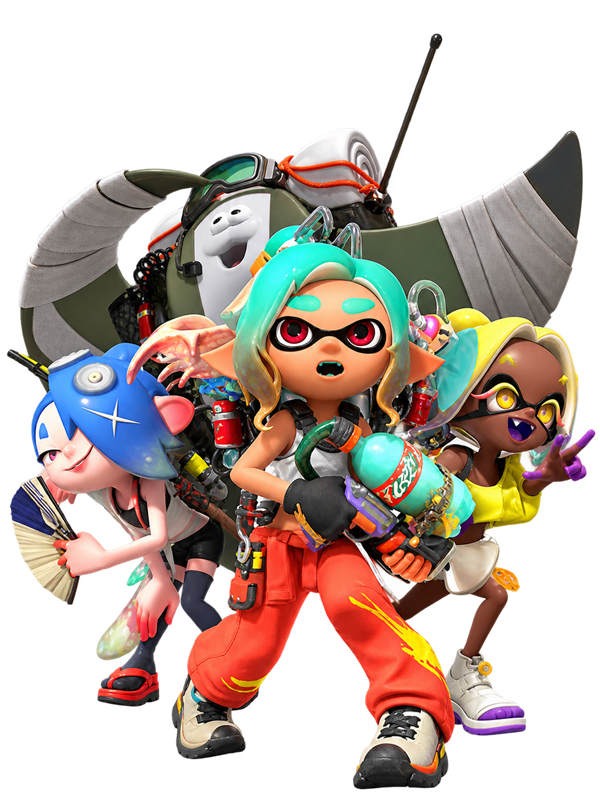
Nintendo is recognized around the world for creating and publishing some of the most influential video game franchises in history. Super Mario, The Legend of Zelda, Pokémon, Donkey Kong, Kirby, Metroid, Animal Crossing, and Splatoon have become major parts of global gaming culture. Nintendo’s characters have also expanded beyond video games into animation, merchandise, theme parks, and other entertainment projects. The company’s emphasis on creativity, family-friendly entertainment, innovative gameplay, and memorable characters has allowed its franchises to remain popular across multiple generations.
Nintendo’s Legacy
Today, Nintendo remains one of the most recognizable names in interactive entertainment. Its history spans more than a century, beginning with traditional Japanese playing cards and eventually becoming one of the world’s leading video game companies. Nintendo’s greatest strength has consistently been its ability to reinvent itself while preserving the characters, worlds, and creative philosophy that fans have loved for generations. From hanafuda cards to modern gaming platforms, Nintendo’s journey represents a remarkable evolution in entertainment and continues to influence the gaming industry worldwide.